






Customer
Implementing Smart Building Technology for Ely Museum
Published on 28 Apr, 2023 by James H.
The Benefits of Smart Buildings
Green Custard Ltd, an award-winning professional services company and AWS Advanced Tier Services Partner, is developing smart building technology for Ely Museum to help the facility maintain optimal preservation conditions for its historical collections.
Built using AWS IoT capabilities, the end solution will monitor key climate parameters, including temperature, humidity and CO2 levels to minimise the physical deterioration of artefacts and ensure a pleasant working environment for visitors and staff.
Green Custard's cutting-edge smart building solution not only empowers Ely Museum to make short-term operational decisions but also facilitates long-term strategic planning aimed at reducing costs and optimising building efficiencies.
Objectives
The Museum has recently undergone a major redevelopment of its premises further to receiving a £2.2m grant from the National Lottery Heritage Fund. The refurbishment prompted the Museum’s preservation team to consider the merits of IoT to augment existing climate control processes and enable strategic decision-making.
Green Custard carried out the necessary site surveys, selected the sensors, and provided the know-how to capture the data and present the findings via an online portal.
“Museums need to carefully monitor temperature and humidity in order to care for their collections as well as possible. Extremes and spikes or too much variation can cause huge damage to historic artefacts.”
Sara Adderson
Assistant Curator, Ely Museum
Solution
The integrated solution comprises a series of unobtrusive, small white sensors that are interconnected via LoRaWAN to a 4G-enabled gateway, so the building’s aesthetics are not impacted in any way. The collected data is displayed to key stakeholders in an easy-to-understand format, thus allowing Museum staff to make insightful decisions pertaining to people flow, energy consumption or the location of expo displays.
- Lux sensors measure the ambient light on delicate artefacts which are susceptible to deterioration through light conditions.
- External Temperature and Humidity sensors to baseline against outside conditions.
- Multi-Sensor units collect core data (CO2, Temperature and Humidity) across the museum, in both public and storage areas.
- Additional Temperature and Humidity Sensors to ensure all areas of the building are measured.
- In-Display Case Temperature and Humidity Sensors to ensure delicate artefacts have their display case environment monitored.
- Footfall counter tracks visitor numbers.
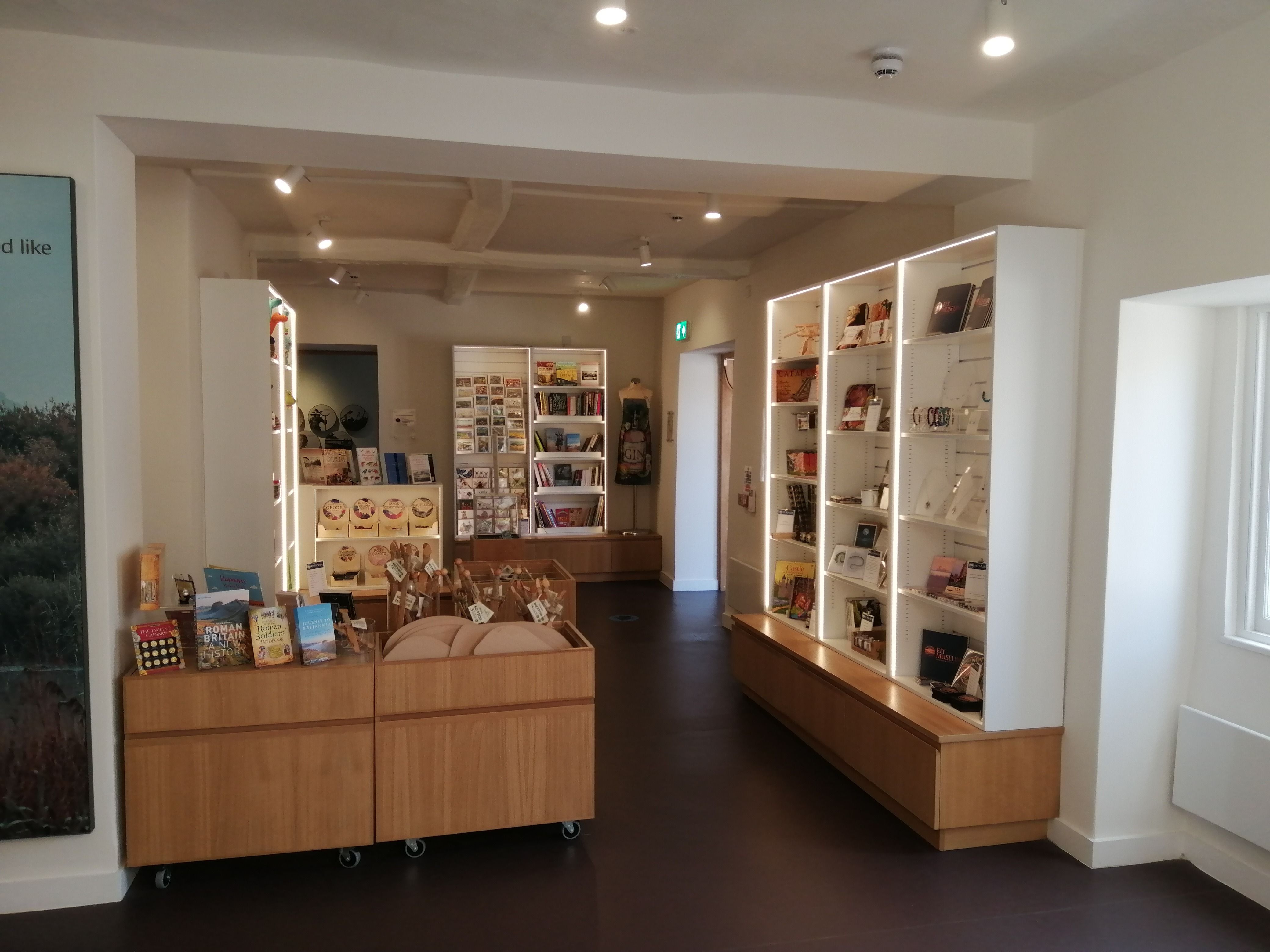
Image one: In-Display Case Temperature and Humidity Sensors
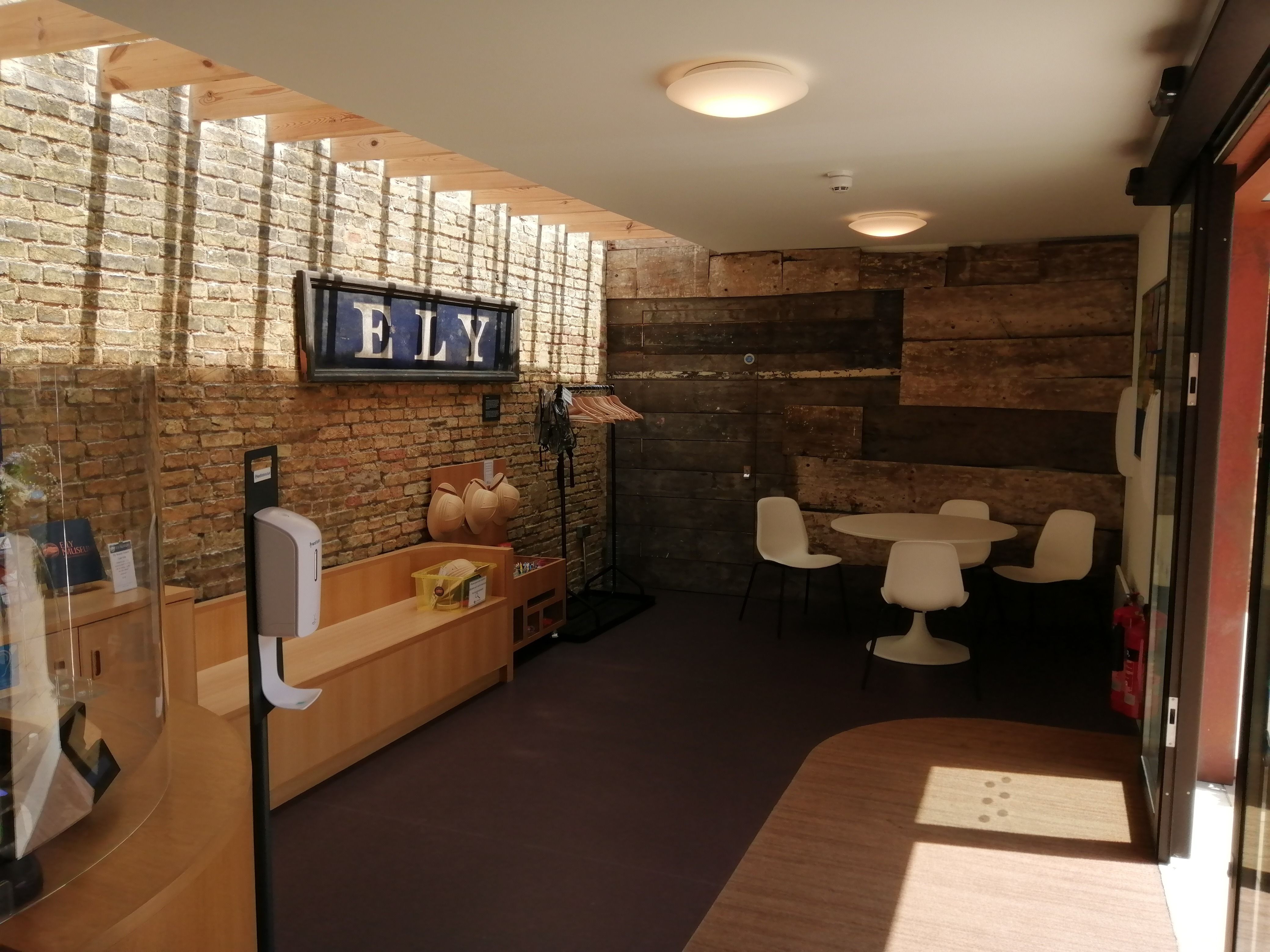
Image 2: Footfall Counter Tracks Visitor Numbers
Results
1. DISCREET
The integrated solution comprises a series of unobtrusive, small white sensors that are interconnected via LoRaWAN to a 4G-enabled gateway, so the building’s aesthetics are not impacted.
2. USER-FRIENDLY
The collected data is displayed to key stakeholders in an easy-to-understand
format, thus allowing Museum staff to make insightful decisions pertaining to people flow, energy consumption or the location of expo displays.
3. DATA-DRIVEN
Having the capability to accurately monitor CO2 levels, people flow, and room occupancy enables museum staff to make commercial and preservation decisions that are based on fact.
The smart building is being deployed in phases with the first two phases involving the installation of CO2, temperature, humidity and Lux sensors.
Subsequent phases will involve installing occupancy sensors in different rooms to monitor how visitors move around the museum and data used to further improve energy efficiency through dynamic light dimming, heating or air flow, and to gain insight into visitor movements so collections can be adjusted/changed in line.