


RELIABILITY
THE FUTURE OF IOT
RELIABILITY IS HERE


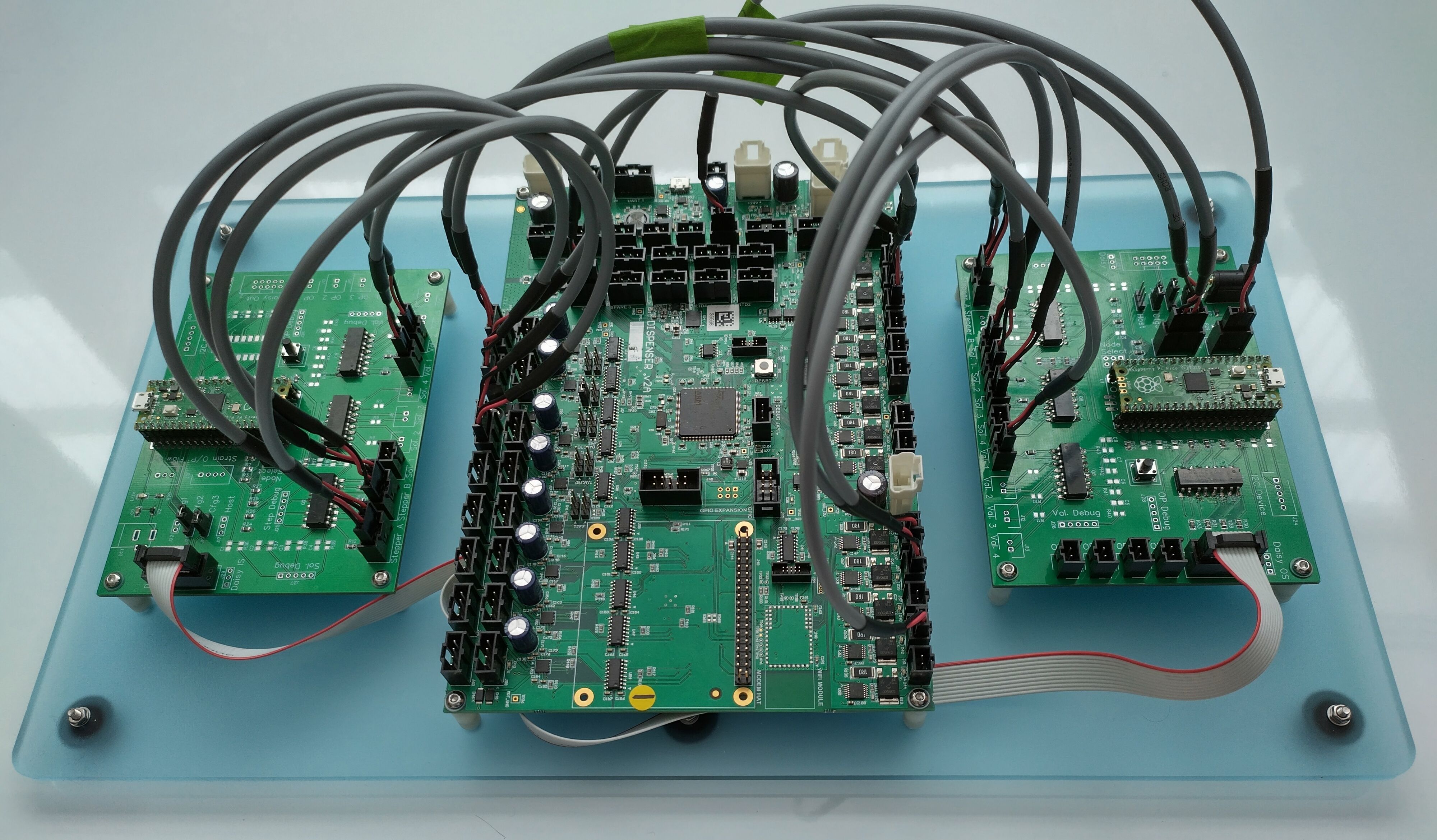
How do you ensure that all IoT messages are processed?
Data transmitted by devices should undergo processing and storage with minimal loss. Employ services that can queue and deliver IoT data to computing and database systems to guarantee efficient data processing. IoT devices generate copious amounts of data in small, unordered packets, necessitating a cloud application capable of effectively handling this data influx.
1. Dynamically scale cloud resources with utilisation
The flexible attributes of cloud technology can be harnessed to dynamically scale resources as needed. Employ this capability to adjust cloud resources in response to factors such as data volume, message size, and the quantity of connected devices, ensuring optimal resource allocation for your specific requirements.
2. Utilise a local spooler to store messages whilst offline
Utilising a local spooler to store messages while an IoT device is offline is a critical strategy to address the challenges associated with intermittent or unreliable network connectivity in the context of IoT deployments.
IoT devices often operate in diverse and dynamic environments, ranging from remote areas with limited network coverage to mobile assets that move in and out of network reach. In such scenarios, the importance of a local spooler becomes evident for several reasons:
- Data Continuity: By storing messages locally when the device is offline, the IoT system ensures that no data is lost during network interruptions. This is especially important for applications where data integrity is paramount, such as industrial automation or healthcare monitoring
- Reduced Latency: When the device regains connectivity, the local spooler allows it to promptly transmit the stored messages to the cloud or central server. This minimises data transmission delays and maintains near-real-time reporting, improving the responsiveness of the system.
- Resource Efficiency: IoT devices often operate on limited power and network resources. Storing messages locally and transmitting them in batches when connected reduces the device's energy consumption and conserves network bandwidth. This efficiency is critical for extending the device's operational lifespan.
- Improved Reliability: Reliability is a key consideration in IoT applications. A local spooler ensures that data is not lost even in situations where network outages are frequent or prolonged. This, in turn, enhances the overall dependability of the IoT system.
- Scalability: The use of a local spooler simplifies the design of IoT devices and their integration into larger systems. Devices can be deployed without needing continuous, high-quality network access, making IoT solutions more scalable and adaptable to a wider range of deployment scenarios.
- Data Security: Storing data locally can enhance data security and privacy. It allows sensitive information to be held on the device until a secure connection is available for transmission, reducing the exposure of data to potential threats.
Overall, the practice of utilising a local spooler for offline message storage is a fundamental component of building resilient and efficient IoT systems. It enables IoT devices to maintain data integrity, minimise disruptions, and maximise their utility across a variety of challenging operational environments.
3. Utilise messages on delta's for data points with infrequent changes
Leveraging delta messages for data points in IoT devices that experience infrequent changes can both reduce message volume and reduce cost.
Delta messages, in this context, refer to transmitting only the difference or changes in data rather than sending the entire dataset every time. This approach is crucial for several reasons.
Firstly, it conserves bandwidth and reduces data transfer costs, which can be significant in IoT deployments. Secondly, it minimises the load on both the IoT device and the cloud, resulting in more efficient and cost-effective communication. Furthermore, by sending only relevant updates, it can enhance data accuracy and reduce latency in real-time monitoring and analytics.
In summary, using delta messages for infrequently changing data points in IoT devices not only optimises resource usage but also improves system responsiveness and overall performance, making it a critical strategy for efficient IoT deployments.