


RELIABILITY
THE FUTURE OF IOT
RELIABILITY IS HERE


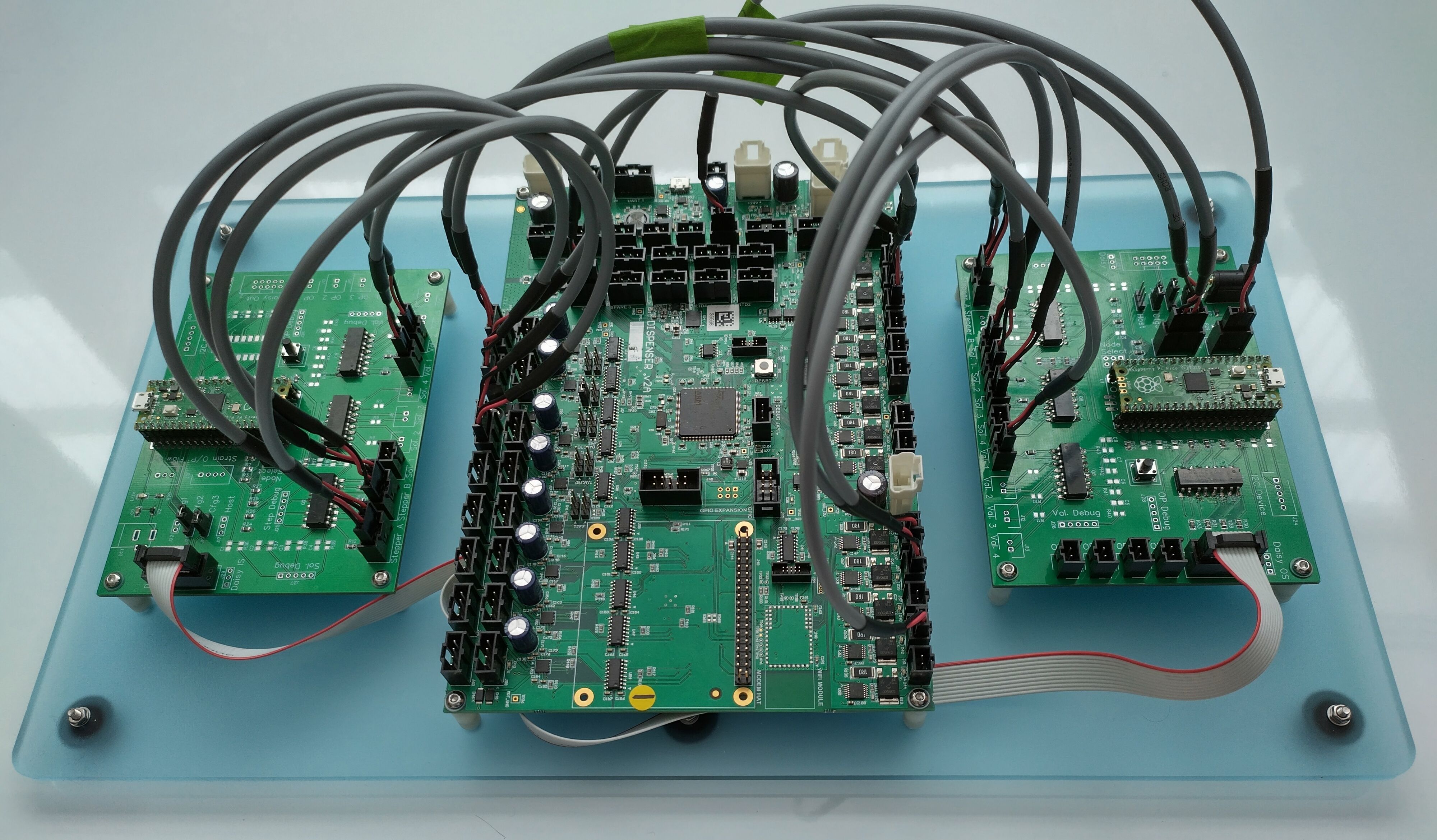
How do you ensure that you can reliably update device firmware from your IoT application?
Over time, devices will require additional features to enhance the user experience, necessitating remote firmware updates. Device design should incorporate the capability to receive and implement firmware updates, while the IoT application should be designed to both transmit firmware updates and monitor the success of the update process.
1. Use a mechanism to deploy and monitor firmware updates
Deploying and monitoring firmware updates is a critical aspect of maintaining device security, performance, and functionality. Firmware updates are essential for addressing vulnerabilities, improving device features, and ensuring seamless operation. To achieve this, IoT systems typically utilise mechanisms that allow for efficient deployment and monitoring of firmware updates.
Deploying firmware updates in IoT often involves Over-the-Air (OTA) updates, which allow for the remote distribution of new firmware to devices. OTA updates minimise downtime and disruption, as devices can be updated without manual intervention. Furthermore, to monitor the status of these updates, IoT platforms incorporate telemetry and reporting features. These functionalities provide real-time feedback on the success or failure of updates, enabling administrators to quickly identify and address issues. The ability to deploy and monitor firmware updates in an IoT ecosystem is essential for ensuring device reliability, security, and adaptability in an ever-evolving landscape.
2. Implement firmware rollback capabilities in devices
Implementing firmware rollback capabilities in devices is a critical component of managing firmware updates effectively. Firmware rollback refers to the ability to revert to a previous firmware version if an update causes issues, such as compatibility problems or unintended consequences. This capability ensures that IoT devices can maintain operational stability and minimise downtime in the event of a problematic update.
Firmware rollback mechanisms involve storing a copy of the previous firmware version on the device itself or in a secure location. In the event of a failed or problematic update, the device can automatically or manually switch back to the earlier, known-working firmware version. This feature provides an added layer of risk mitigation, allowing IoT systems to recover quickly from firmware update issues and maintain uninterrupted service. It's especially valuable in scenarios where IoT devices are deployed in mission-critical applications, ensuring that any update-related problems can be swiftly and safely addressed to keep the system running smoothly and securely.
3. Implement support for incremental updates to target device groups
Engaging in a best practice, it's advisable to conduct initial firmware testing on a limited subset of devices. Employing a smaller group of devices for firmware updates serves the purpose of thoroughly validating both the firmware itself and the upgrade process prior to rolling out the updates across the entire device fleet.
4. Implement dynamic configuration management for devices
Dynamic configuration management involves the ability to adjust and fine-tune settings, parameters, and policies for IoT devices in real-time or on-the-fly.
This capability is particularly valuable when rolling out firmware updates. Before deploying new firmware to the entire fleet, dynamic configuration management allows administrators to configure a subset of devices with the updated firmware for testing and validation. It ensures that these devices behave as expected and can be fine-tuned to address any issues or optimise performance based on real-world data.
Furthermore, dynamic configuration management enables swift changes to device settings as part of an iterative and agile approach to firmware deployment. If issues are detected during testing, administrators can adjust configurations, potentially roll back to a previous firmware version, or even halt updates altogether for affected devices, all while minimising disruptions to the broader IoT network. This flexibility and adaptability in managing device configurations are crucial for ensuring that IoT deployments remain secure, stable, and responsive to changing operational needs.